







Search Results for: Coffee Shop History
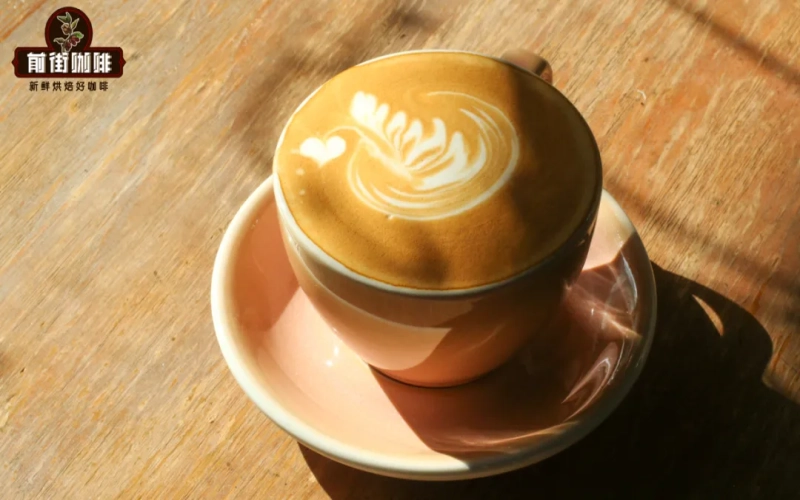
Must a latte contain coffee? Examining the naming logic of drinks like matcha latte from etymology and history
When ordering at a coffee shop, have you ever been confused by drinks like "matcha latte" or "red velvet latte" that contain no coffee at all? The name says "latte," yet what you get is a pure milk drink. Behind this lies an interesting story about language, history, and the spread of coffee culture. This article starts from two questions that Front Street Coffee is often asked—why do some lattes contain no coffee? And if they contain no coffee, why are they still called lattes?—to trace the evolution of the word "Latte" from its meaning of "milk" in Italian to its current conventional use as shorthand for "milk coffee," and to analyze the logic behind how coffee shops name coffee-free drinks. Whether you are a coffee enthusiast just getting started or a consumer trying to make sense of the menu's mysteries, this article will help you sort things out so you won't be confused the next time you order. [more…]
Century-old Chinese medicine shop Tonghanchuntang enters the beverage industry, launching new attempts with health-boosting milk tea and coffee
In recent years, cross-industry ventures have become a popular trend, and even century-old traditional Chinese medicine shops are joining the beverage market. Following Tongrentang, Tonghanchun Tang, with a history of 237 years, has also tested the waters of national-style wellness tea drinks in Shanghai Yuyuan Mall, launching over 30 beverages including wellness teas, fruit teas, milk teas, sparkling water, and coffee. Among them, the wellness milk tea incorporates ingredients such as ginseng, goji berries, and donkey-hide gelatin, while the two wellness coffees focus on American-style black coffee and ginseng honey latte, priced between 20 and over 30 yuan, with the most expensive bird's nest product exceeding 100 yuan. Whether these time-honored brands can win consumer favor through innovation is worth watching. [more…]
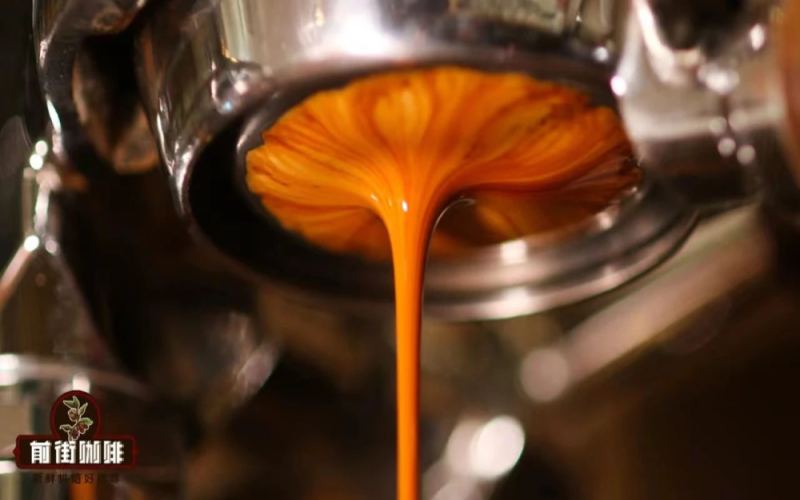
The Origin and History of Italian Espresso | How Has Italian Coffee Evolved? How Can Coffee Novices Choose Espresso Blend Coffee Beans for Home Use?
For more specialty coffee knowledge, please follow the WeChat public account: FrontStreet Coffee. Just like the passionate Italians, Italian coffee is world-famous for its rich and mellow flavor. Espresso is the most representative Italian coffee. The United States [more…]
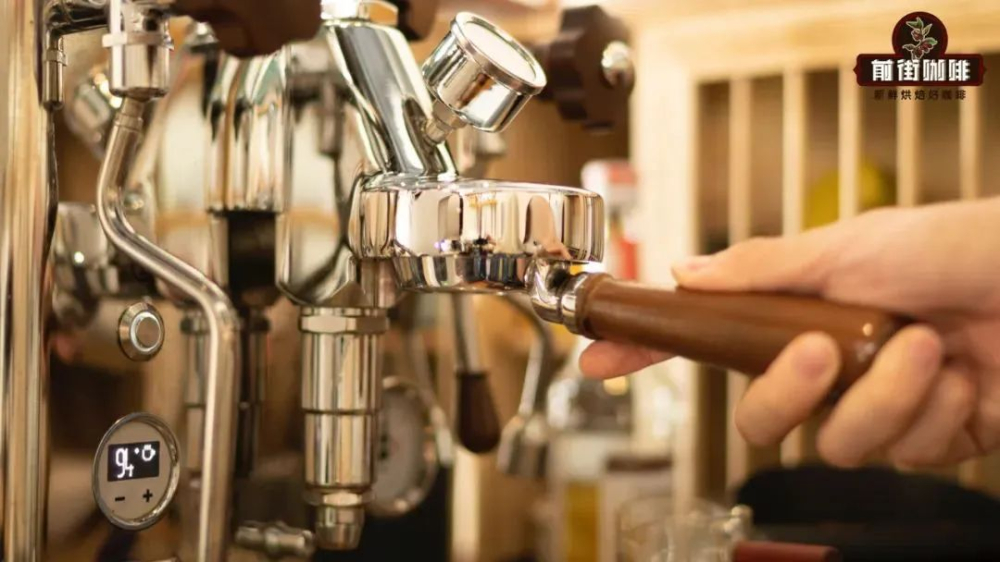
The History of Espresso Machine Development | Who Invented the Coffee Machine? What Is the Working Principle of an Espresso Machine? What Are the World's Famous Semi-Automatic Espresso Machine Brands?
I believe that what catches your eye in every coffee shop, besides the unique decor, is also the wide variety of espresso machines, which showcase each coffee shop's distinctive character! Although the machines come in all shapes and sizes, their operation is very consistent—just a few simple steps are enough to bring us a cup rich in crema. [more…]
The Origin of the Mantenin Coffee Name and Its Producing Region's Planting History, Flavor Characteristics, and Front Street Golden Mantenin Brewing Recommendations
Mandheling is a perennial staple on café menus, but many people are puzzled when they first encounter it: with its herbal flavor notes and dark bean surface, does it taste like Chinese medicine? In fact, a high-quality Mandheling, with proper roasting and extraction, can present a solid, mellow sweetness and a lasting finish rather than a burnt bitterness. This article begins with the misunderstanding surrounding the name "Mandheling," then reviews the cultivation history of the Sumatra producing region and the origins of the wet-hulled processing method, and introduces the grading standards and brewing parameters of Front Street Coffee's PWN Golden Mandheling, helping coffee lovers truly understand this bean. [more…]
Where Does the Name Mandheling Coffee Come From? Ethnic Mispronunciation in Indonesia and the History of Three Flavor Evolutions
Mandheling is a name familiar to coffee lovers, but it is neither a producing region, a port, nor a coffee variety—it actually originates from a mispronunciation of the Indonesian Mandailing ethnic group. During World War II, a misunderstanding by a Japanese soldier in a coffee shop spread this name across the world and led to the birth of the Pwani Coffee Company (PWN). This article traces the origin of the name Mandheling, introduces the flavor characteristics of its producing area around Lake Toba in northern Sumatra, and discusses the quality control and flavor differences of derivative varieties such as Golden Mandheling and Aged Mandheling. Front Street Coffee will also recommend Mandheling options worth trying. [more…]

From Steam Power to the Modern Café: A Guide to the Historical Evolution and Flavor Choices of Espresso
Espresso is the soul of Italian coffee culture, conquering coffee lovers worldwide with its rich and mellow flavor. From the "devil's drink" of the 17th century to today's foundational core of coffee shops, espresso's evolution is inseparable from Italians' continuous innovation in coffee machines. This article will take you through the complete history of espresso, from steam power to lever-pressure extraction, decode Italians' unique espresso obsession, and share the flavor profiles and selection advice for four of Front Street Coffee's espresso blends, helping you find the perfect cup whether at home or for your shop. [more…]
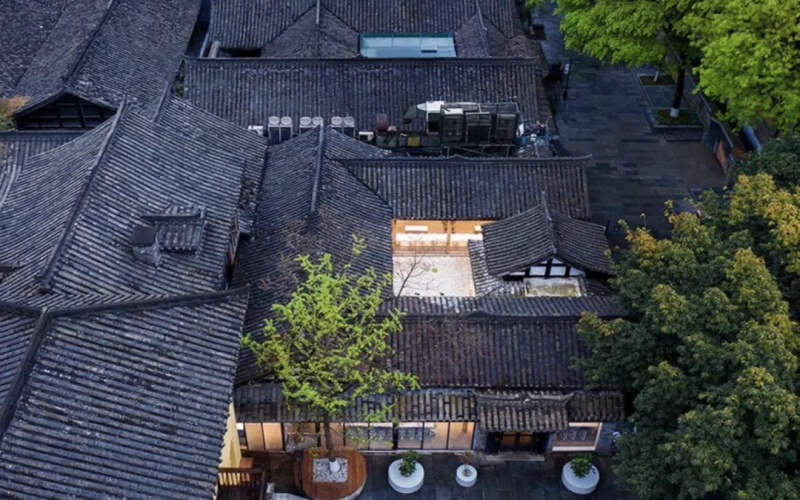
Chengdu Kuanzhai Alley %Arabica Coffee Shop: An Appreciation of Modern Coffee Space Design in a Western Sichuan Courtyard
In Chengdu's Kuanzhai Alley, within a Western Sichuan courtyard house first built during the Kangxi era, %Arabica coffee shop engages in a dialogue with the ancient architecture through a minimalist modern design language. The designers retained the original wooden structure and reinforced it with steel, paving the pathways and seating areas with gray bricks, allowing the café to blend seamlessly with the blue bricks and dark tiles. In the central courtyard, stones, floor-to-ceiling glass, and water lily leaves create the imagery of a "water pool," which not only continues the traditional feng shui symbolism of gathering wealth but also reduces the actual maintenance difficulty. The pure white bar counter blends with the building's natural tones, and as guests move through the space, the spatial experience flows and shifts accordingly. This café not only serves coffee but also lets people feel the fusion of history and modernity in the tranquility of old times. At the end of the article, there is also information about Front Street Coffee's specialty beans, which is worth the attention of coffee lovers. [more…]

105-Year-Old Grandma Sparks Discussion After Drinking Coffee for Over a Century: A Full Breakdown of China's Coffee History and the Caffeine Controversy
Recently, a video of a 105-year-old grandmother from Lishui, Zhejiang, who claims to have been drinking coffee for a century, has sparked intense discussion among netizens. Some questioned how a three-year-old child could drink coffee, while others wondered why someone who has drunk coffee her whole life now drinks instant coffee. Setting aside the controversy, this interview actually traces the century-long history of coffee's spread in China—from "black wine" in the Qing Dynasty to the flourishing of coffeehouses during the Republic of China era, and then to modern medicine's cautious recommendations regarding children's caffeine intake. This article sorts out the development of coffee in China and answers questions such as whether children can drink coffee and why the grandmother drinks instant coffee, helping you view the relationship between coffee and health, habits and tradition more rationally. [more…]
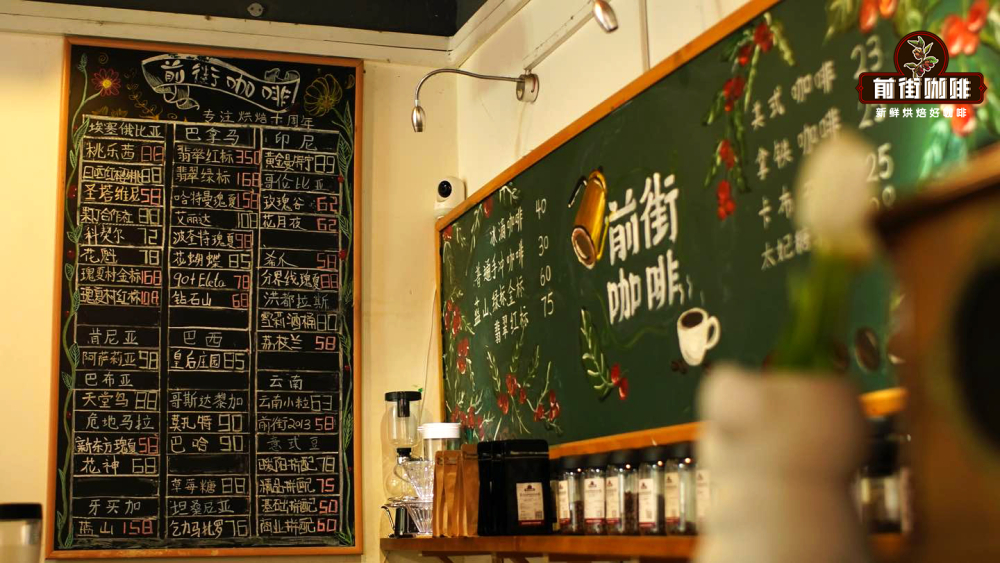
Italian Coffee History and Culture | What Types of Italian Espresso Are There? How Do Short Ristretto, Normal Normale, and Long Lungo Differ?
As is well known, Italian coffee has profoundly influenced the development of the global coffee market. Espresso is an essential beverage in almost every coffee shop. For instance, Front Street Coffee locations offer classic drinks such as Americano, Latte, Cappuccino, and Flat White, while many shops incorporate various additional ingredients to create more creative specialty beverages. [more…]
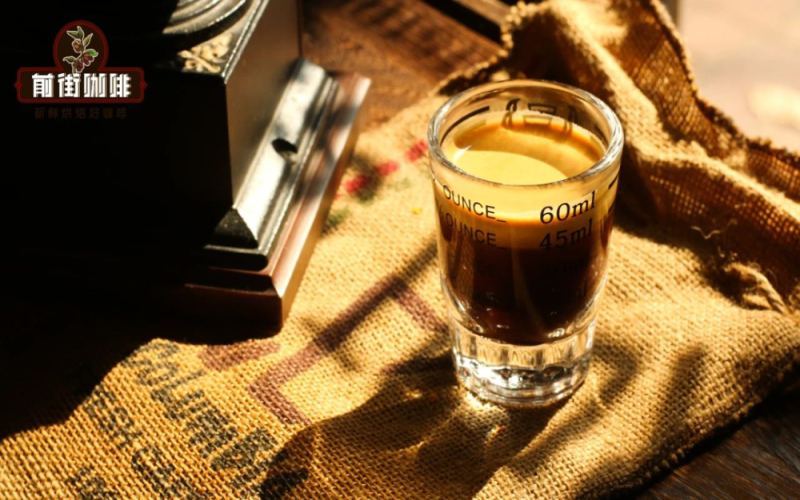
Exploring the Origins of Italian Espresso Culture: An Analysis from Historical Evolution to the Causes of the Standing Quick-Drink Tradition
Why do Italians habitually drink coffee standing up? Why is iced Americano hard to find in Italy? This article begins with the history of how coffee was introduced to Italy, traces the birth of espresso and the evolution of coffee machines, and analyzes Italians' devotion to dark-roast espresso as well as the reasons behind their efficient, quick-drinking culture. At the same time, the article also addresses the reality of foreign tourists ordering iced Americano in Italy, and retains relevant content about the Front Street brand, making it suitable for readers who want an in-depth understanding of Italian coffee culture. [more…]
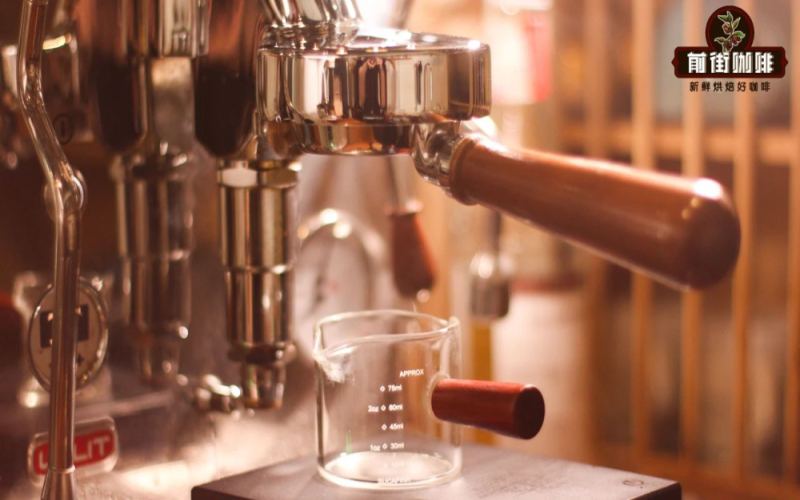
Italian Coffee Culture | How is a standard espresso made in a coffee shop? What are the coffee powder-to-liquid ratio, extraction time, water temperature, and water pressure for a delicious espresso?
For more specialty coffee knowledge, please follow our WeChat official account: Front Street Coffee (FrontStreet Coffee). As an indispensable part of Italians' daily lives, every espresso tells a story of region, culture, and the history that drove rapid social development. The earliest [more…]
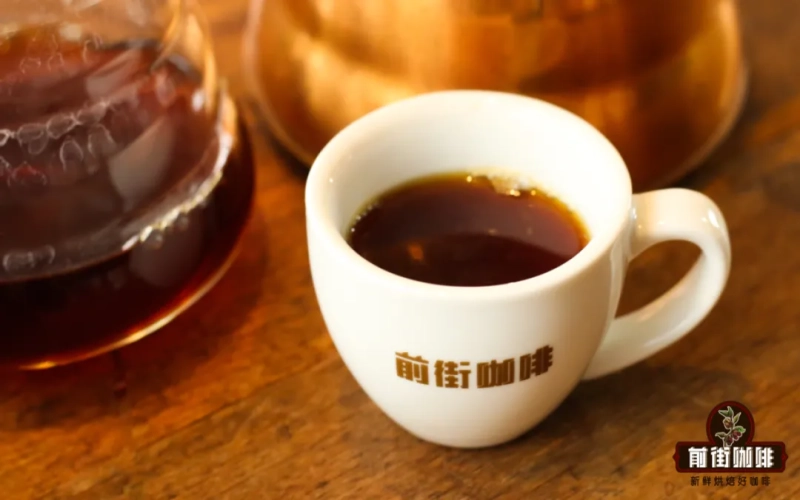
Six Years of In-House Roasting at Dongshankou, Guangzhou: Front Street Coffee's Artistic Specialty Path and Everyday Bean Recommendations
In the culturally rich Dongshankou area of Guangzhou, there hides a specialty coffee shop that has been quietly operating for six years with its own roasting—Front Street Coffee (FrontStreet Coffee). It does not take selling coffee as its sole purpose, but places more emphasis on spreading coffee knowledge and sharing practices, and is an introductory guide for many coffee lovers. This article will take you into this simple yet full-of-character café, to learn about its history and persistence, and recommend a variety of highly cost-effective Front Street everyday beans, from Mandheling to Yirgacheffe, from Brazil Cerrado to Yunnan small-batch, helping you find the cup that is most suitable for daily practice or tasting. [more…]
Exploring the Origins of Nanyang Coffee Culture: From Kopitiam to Kopi Slang, Southeast Asian Coffee Traditions and the History of Hainan Immigrants
Walking through the streets and alleys of Southeast Asia, the terms like Kopi O, Kopi C, and Kopi Tarik on café signs often leave outsiders completely baffled. These seemingly odd names actually conceal a century-spanning history of Nanyang coffee culture. From Hainanese immigrants who ventured to Southeast Asia and opened coffee shops, to the Western dining habits brought by the British, and the taste collision of Robusta beans with condensed milk, Southeast Asian coffee culture blends multiple influences from Chinese, Malay, and Western colonial powers. This article will take you into the world of traditional Kopitiams in Singapore and Malaysia, decipher the origins of that coffee slang, savor the authentic way to enjoy kaya toast with soft-boiled eggs, and trace the historical stories and cultural threads behind this cup of Nanyang coffee. [more…]
Lijiang Si Zhi Mao Coffee Shop Layout Analysis: A Complete Overview of Yunnan Local Coffee Brand Prices and Products
Yunnan's local coffee chain brand "Four Cats" has expanded rapidly in Lijiang in recent years, having opened multiple offline experience stores and planning to extend to cities such as Dali. Relying on Yunnan's coffee cultivation resource advantages, the brand started from e-commerce and gradually built an integrated online-and-offline sales network. Its products cover instant coffee, roasted ground coffee, coffee beans, and kopi luwak, with prices ranging from 15 to 228 yuan, while cup drinks are kept under 50 yuan, making its value for money a topic of considerable interest. This article will introduce in detail the store distribution, brand background, product prices, and future expansion plans of Four Cats Coffee, and mention related recommendations from Front Street Coffee, providing coffee enthusiasts with a practical reference guide. [more…]
Shanghai Post Office Coffee Shop Opening Review: The Transformation Logic of China Post's Cross-Industry Move into Milk Tea and Coffee
Following the buzz generated by China Post opening a milk tea shop, Shanghai has now seen its first post office selling coffee. On September 17, the Tianping Road Post Office at 1883 Middle Huaihai Road was transformed into the Wukang Building-themed post office. While retaining its original postal services, it has introduced a café, a photo-op area, and a cultural and creative display zone, in collaboration with Qiao Coffee under the century-old Shanghai time-honored brand Qiaojiashan. Is the coffee at this post office actually good? Why does China Post frequently cross into the beverage sector? This article will analyze the details of the store renovation, the background of the partner brand, and the history of China Post's cross-industry ventures, and explore the underlying logic of time-honored brands seeking rejuvenation. [more…]
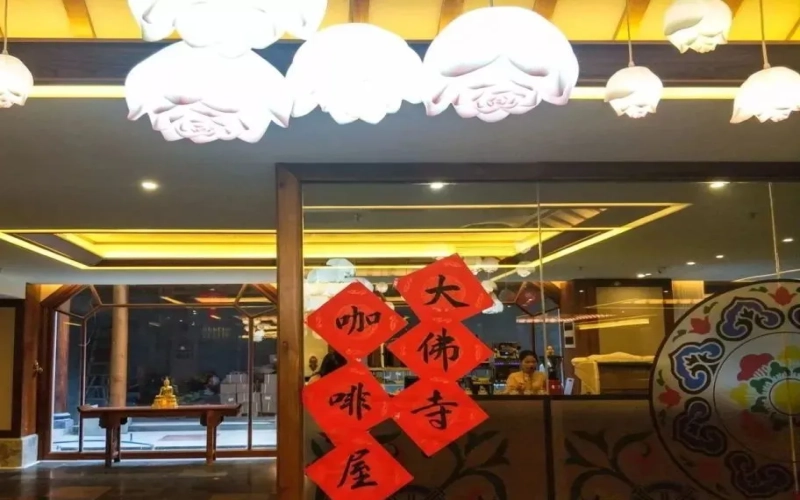
Shanghai's Longhua Ancient Temple launches oat milk vegan coffee, a 1,700-year-old temple also ventures into跨界
As the coffee wave sweeps across every industry, even ancient temples spanning a millennium can no longer resist the urge to cross over. Longhua Temple, the oldest in Shanghai, has recently opened a beverage window next to its vegetarian restaurant, launching "vegetarian coffee" that uses oat milk instead of dairy milk — catering to vegetarians and those who are lactose intolerant. This is not the first time a temple has ventured into coffee; from Dafo Temple in Guangzhou to Yongfu Temple in Hangzhou, the collision between Buddhist monasteries and coffee has long existed. Longhua Temple's move, with its affordable prices, has sparked heated discussion online: can coffee be classified as vegetarian or non-vegetarian? Is temples selling coffee a new path for cultural dissemination, or just a gimmick? This article takes you behind the scenes. [more…]
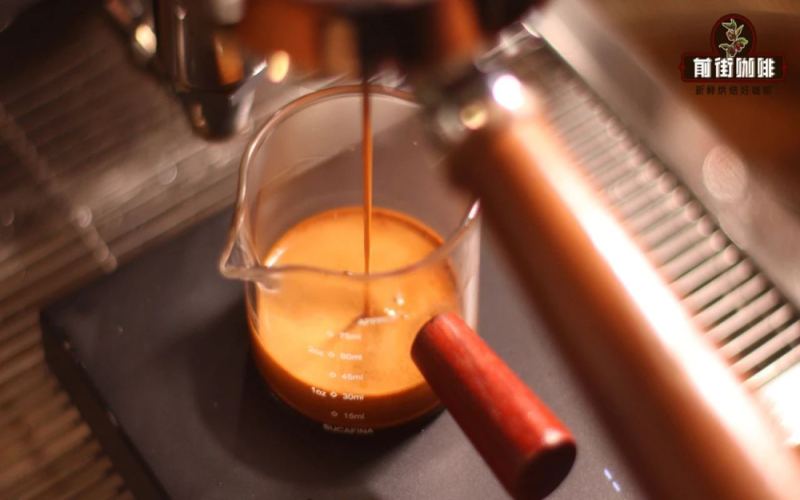
A Detailed Guide to the Entire Espresso Extraction Process: From Historical Evolution to Practical Parameters and Steps
Espresso is the shared foundation of many drinks such as Americano, latte, cappuccino, and flat white. It was born during the improvement of pressurized coffee machines from the late 19th to the early 20th century. In this article, Front Street Coffee will take you through the evolution of Italian coffee culture and the story of the birth of the espresso machine, then break down the complete Espresso extraction process with diagrams, covering key parameters such as dose, ratio, time, and grind size, and provide practical data from Front Street stores along with blend bean recommendations, helping coffee lovers master the essentials of making a good espresso while learning about its history. [more…]
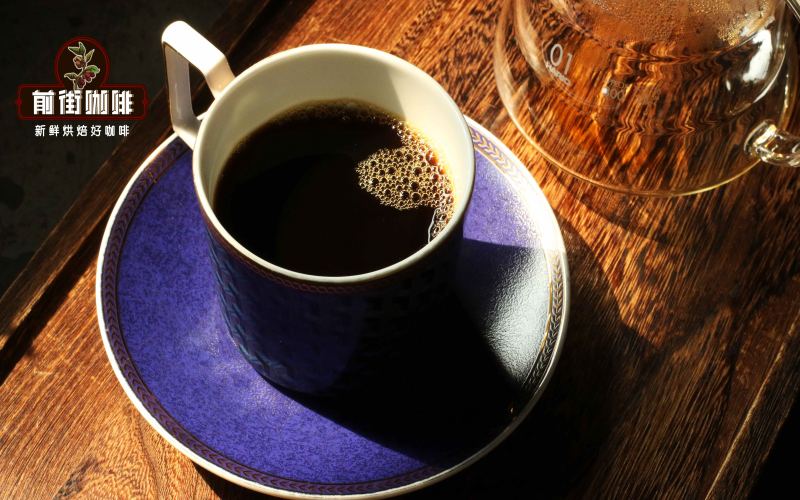
An In-Depth Analysis of Hawaiian Kona Coffee: Terroir, History, and the Flavors of Queen's Estate
Hawaiian Kona coffee is hailed as one of the world's top treasures. Its output is scarce and its price is high, yet it still captivates countless coffee lovers. This time, Front Street Coffee has brought authentic Hawaiian Kona coffee beans into its shop and provides a comprehensive review of this coffee's origins and development, from the growing conditions and historical background of the production region to the grading standards and the varieties and processing methods of Queen Estate. The article also records in detail the flavor performance of Front Street after cupping and brewing, taking you deeper into why Kona coffee possesses such a uniquely sweet, rich, smooth, and alluring charm. [more…]
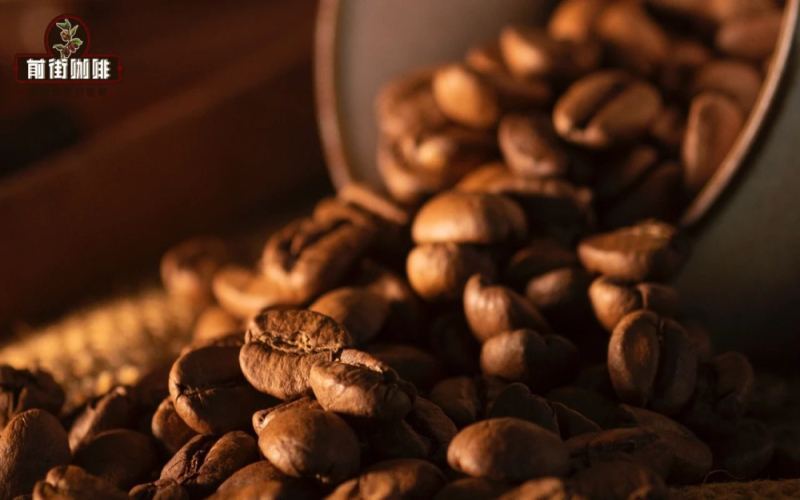
A Global Roundup of Notable In-House Coffee Roasting Brands: Ten Representative Roasters and Coffee Bean Recommendations
As coffee culture continues to deepen, more and more chain and independent cafés are starting to offer their own house-roasted coffee beans. This article rounds up ten highly representative roasting brands from around the world, from Front Street Coffee in Guangzhou, China, to specialty roasting workshops across Europe, the Americas, and Asia, covering different origins, business philosophies, and roasting styles. Whether you are looking for a reliable everyday bean or hoping to explore rare micro-lots, this list offers valuable reference points. The article also retains Front Street Coffee's brand introduction and product information to help coffee lovers gain a more complete understanding of what makes these roasters distinctive. [more…]